

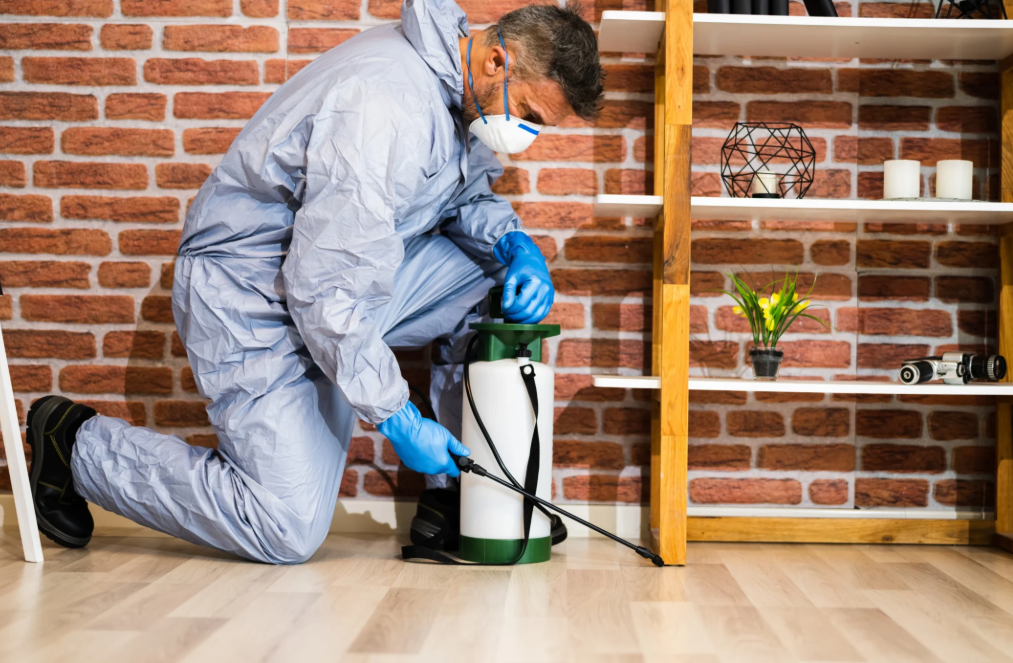
Ant infestations are among the most persistent household challenges faced by property owners across New Jersey. When warmer weather arrives, various ant species become increasingly active in search of reliable food sources, moisture, and shelter, often establishing extensive colonies inside wall voids, beneath foundations, and throughout residential landscaping. Understanding the behavior of these pests and recognizing when to consult a dedicated ant exterminator NJ can make the critical difference between a temporary superficial fix and permanent, long-term protection for your residential living space.
Common Ant Species Invading Residential Properties
Several distinct ant species commonly invade homes throughout the northeastern region. Identifying the specific type of ant is essential because nesting habits, nutritional preferences, and colony reproductive structures vary significantly across species:
- Carpenter Ants: These large black or reddish-black ants excavate smooth tunnels and galleries inside damp or decaying structural wood to build their primary and satellite nests. While they do not consume wood fibers like termites, their relentless tunneling can cause severe structural compromises over time if left unaddressed.
- Pavement Ants: Typically found nesting under concrete slabs, driveways, patios, and masonry foundations, pavement ants frequently enter kitchens and pantries searching for sweets, grease, fallen crumbs, and proteins.
- Odorous House Ants: Known for the pungent, rotten coconut odor they emit when crushed, these small dark brown ants establish multi-queen colonies that expand rapidly throughout interior walls, plumbing access points, and crawlspaces.
- Pharaoh Ants: Very small yellowish or light brown ants that often nest in warm, humid interior spaces such as behind baseboards, inside electrical switch plates, and near heating pipes, requiring specialized non-repellent baiting strategies to avoid colony budding.
Recognizing the Warning Signs of an Active Ant Infestation
While spotting a stray foraging ant in the spring or summer is relatively common, certain definitive signs indicate a mature, active colony on or near your premises:
- Visible Foraging Trails: Persistent lines of ants traveling along baseboards, countertops, electrical conduits, or exterior siding between a food source and their hidden nest.
- Frass Accumulation: Small piles of fine wood shavings, sawdust-like material, and dead insect fragments beneath wooden beams or window sills, strongly indicative of carpenter ant activity.
- Swarming Reproductive Ants: Winged reproductive ants emerging indoors during early spring, which confirms the existence of an established mature colony within the home structure.
- Faint Rustling Sounds: Soft rustling or clicking noises inside drywall cavities or ceiling joists where large carpenter ant colonies have established nests.
Why Over-the-Counter DIY Ant Treatments Frequently Fail
Many property owners attempt to handle infestations using retail aerosol insecticide sprays or store-bought traps. However, standard repellent sprays often kill only the foraging worker ants, leaving the reproductive queen and the deep core of the colony unharmed. Furthermore, with species like odorous house ants and pharaoh ants, chemical repellents can trigger a defensive biological survival response known as budding. When budding occurs, the original colony fractures into multiple independent satellite colonies, dramatically worsening the infestation across different rooms of the house.
Integrated Pest Management Strategies for Complete Ant Eradication
A comprehensive ant management strategy relies on Integrated Pest Management (IPM) protocols that combine meticulous inspection, targeted non-repellent treatments, and structural exclusion techniques:
- Comprehensive Site Inspection: Detailed examination of interior living areas, basements, crawlspaces, and outdoor perimeters to locate hidden nests and primary moisture sources.
- Targeted Non-Repellent Baits: Utilizing advanced bait chemistries that foraging worker ants transport back to the nest, systematically eliminating the queen, larvae, and entire colony population.
- Perimeter Barrier Applications: Applying protective liquid treatments around external foundation perimeters, doorways, and utility entry points to halt invading outdoor colonies.
- Moisture Mitigation: Identifying and resolving plumbing leaks, inadequate crawlspace ventilation, and water-damaged structural timbers that provide ideal nesting conditions.
- Exclusion and Environmental Sanitation: Sealing foundation cracks, trimming overhanging tree branches away from roofing shingles, and storing pantry dry goods in durable airtight containers.
Ongoing Long-Term Ant Prevention for Homeowners
Sustaining an ant-free home environment requires ongoing vigilance and proactive maintenance. Routinely inspect foundation perimeters, seal gaps around exterior utility lines, keep food prep areas clean of grease and residue, and ensure rainwater drainage systems direct moisture safely away from foundation walls. Working with licensed pest control specialists ensures customized seasonal protection that keeps your property secure throughout every season.
