

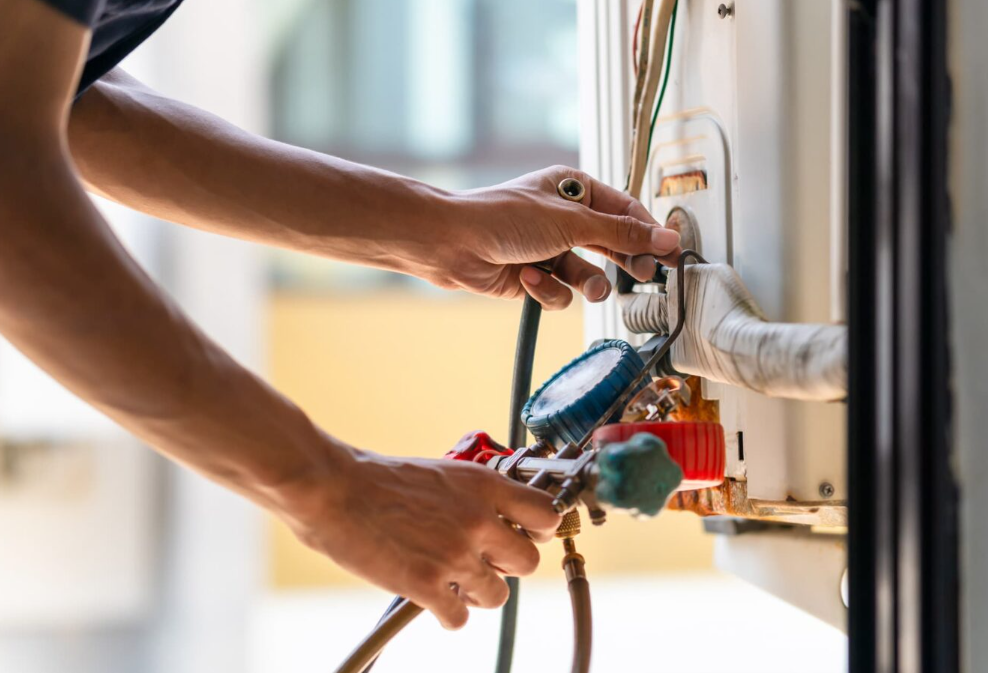
When freezing winter weather arrives and outdoor temperatures plunge below freezing, a sudden furnace failure or loss of heat transforms from an inconvenience into a critical household emergency. Severe cold snaps place maximum strain on residential heating equipment, pushing aging blowers, igniters, and electronic controls to their breaking points. Knowing what initial safety steps to take during a heating outage and how to quickly contact qualified heating technicians helps protect your property from burst pipes, structural freezing damage, and hazardous indoor conditions.
Immediate Action Steps During a Loss of Heat
If your heating system abruptly stops working during winter, taking immediate, systematic troubleshooting measures can help determine whether the issue is a simple operational setting or a serious mechanical malfunction:
- Check the Thermostat Display and Settings: Ensure your thermostat is set firmly to “HEAT” mode and the target temperature is set at least five degrees above the current room temperature. Check whether the batteries need replacing.
- Verify the Emergency Power Switch: Most residential heating systems feature a dedicated power switch—often resembling a standard light switch with a red faceplate—located near the basement stairs or directly on the furnace cabinet. Ensure this switch was not accidentally flipped off.
- Inspect Circuit Breakers and Fuses: Check your home’s main electrical panel for tripped circuit breakers connected to the heating unit or blower motor. Reset a tripped breaker once; if it trips immediately again, leave it off to prevent electrical hazards.
- Check Fuel Supplies and Shutoff Valves: If your system runs on heating oil or propane, check the tank gauge to confirm fuel levels. For natural gas systems, verify that manual gas shutoff valves along the supply pipe remain in the open position.
- Inspect Combustion Intake and Exhaust Terminations: High-efficiency furnaces vent through PVC pipes extending through exterior side walls. Heavy snowfall, drifting snow, or icicles can obstruct these pipes, triggering automatic safety shutoff switches.
When to Call for 24/7 Professional Emergency Service
If basic troubleshooting checks do not restore operation, or if you detect electrical burning smells, metallic grinding sounds, or notice repeated ignition lockouts, professional intervention is necessary. Contacting licensed technicians for emergency heating services Sussex County ensures rapid dispatch of fully equipped service vans capable of diagnosing and resolving heating failures on the spot.
Emergency heating technicians carry replacement hot surface igniters, draft inducer motors, flame sensors, control circuit boards, blower capacitors, and gas valves to perform on-site repairs and restore essential warmth quickly, protecting vulnerable family members and plumbing lines from freezing temperatures.
Preventing Winter Freeze Damage While Awaiting Service
While waiting for an emergency HVAC technician to arrive, taking proactive measures will help retain residual warmth and protect your plumbing infrastructure:
- Keep Faucets Dripping: Allow hot and cold water faucets on exterior-facing walls to run with a slight, continuous trickle. Moving water helps prevent ice crystals from forming inside exposed copper and PEX pipes.
- Open Cabinet Doors: Open vanity and kitchen cabinet doors beneath sinks to permit warm indoor air to circulate around hidden plumbing lines.
- Trap Existing Warmth: Keep all exterior doors and windows tightly shut. Close blinds and heavy curtains to reduce radiant heat loss through glass window panes.
- Use Safe Supplemental Heating: If using electric space heaters, keep them at least three feet away from curtains, furniture, and bedding, and never leave them unattended or plugged into overloaded extension cords.
Ensuring Peace of Mind All Winter Long
Winter heating emergencies are stressful, but having a trusted local HVAC partner and knowing how to respond calmly ensures your home remains secure. Following up emergency repairs with comprehensive seasonal maintenance ensures long-term heating reliability and prevents future breakdowns when freezing conditions strike.
