

Entertainment news moves quickly. A casting rumor, trailer note, release-date update, streaming change, box-office angle, or fan discussion can become a short clip before the written article has even settled. That speed is useful, but it can also make a weak story look more certain than it is.
A short video should not turn every entertainment update into a dramatic announcement. Some stories need a headline card, a few clean visual beats, and a link back to the article. Some need no video at all. The first job is to decide what the clip is supposed to clarify.
For entertainment editors, social teams, and small publishers, the useful question is simple: what should the viewer understand after ten or twenty seconds that they might miss in a crowded feed?
Start With the Update, Not the Effect
A strong clip begins with the actual update. Is the article about a confirmed release date? A trailer reaction? A streaming availability change? A cast interview? A ranking? A festival note? A production delay? A fan theory?
Each type of update needs a different visual approach. A confirmed date can use a clean countdown-style structure. A review may need a restrained mood clip that does not pretend to show unseen footage. A streaming guide may need simple category cards. A fan-theory post may need a clear label that separates speculation from reporting.
The mistake is to begin with “make it cinematic.” That instruction sounds exciting, but it does not tell the editor what the audience needs to know. A clip can look polished and still confuse the story.
Use AI Drafts as Planning Material
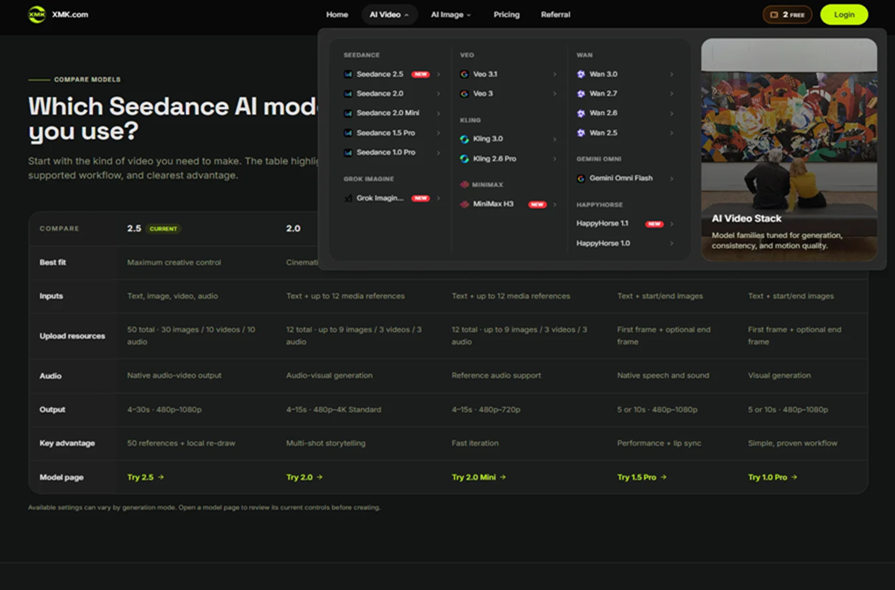
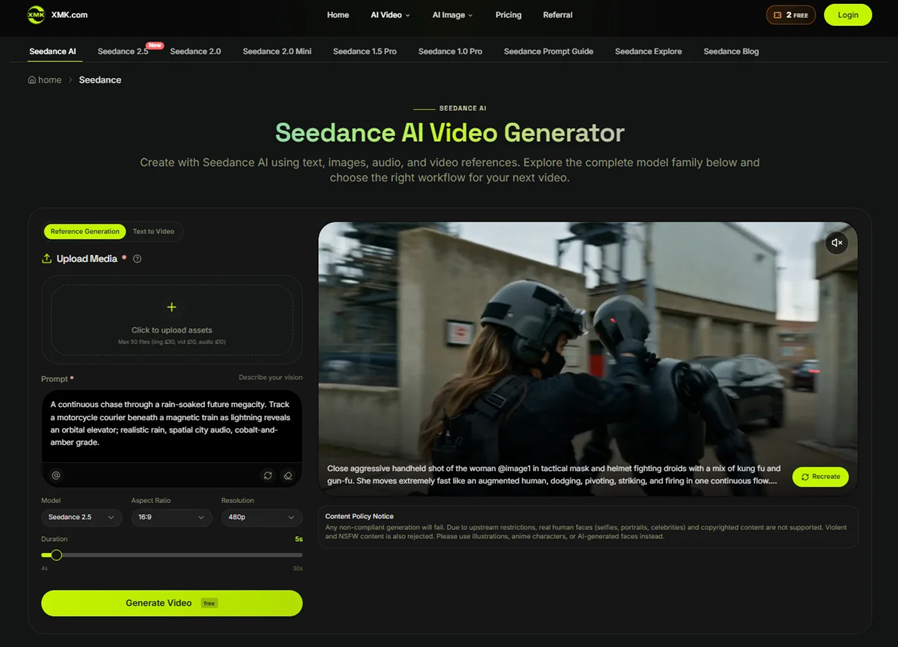
Seedance can support this kind of early planning work. The current XMK Seedance page presents a model collection for text-to-video and reference-guided creation, with supported models using text, image, video, and audio references plus selectable generation settings. Editors should confirm the current controls, content rules, upload limits, costs, and usage terms inside the product before using any draft for publication or paid promotion.
The point is not to replace reporting, editing, or licensed entertainment assets. The draft should help the team test pacing, order, mood, and viewer focus before committing time to final design.
A simple entertainment-news draft might open with the audience question, move into the confirmed update, add one context beat, and end with a clean frame for an editor-added headline or read-more cue. That structure keeps the clip close to the article instead of turning it into a pretend trailer.
Do Not Let the Clip Overstate the Story
Entertainment posts often live in the gray area between confirmed information, industry chatter, audience reaction, and speculation. Video can blur those lines if the visuals become too dramatic.
If an article says a sequel is rumored, the video should not feel like an official announcement. If a story says a title may arrive on a platform, the clip should not present the date as final. If a post compares audience reactions, the visual should not imply a verified survey unless the article actually has one.
Useful wording remains modest: reported, expected, rumored, confirmed, according to the studio, according to the platform, according to the interview, or based on current listings. Those limits should survive the move from article to video.
Build Around Licensed or Original Materials
Entertainment visuals require care. Posters, stills, character designs, logos, celebrity likenesses, music, and fan art can carry rights and platform-rule issues. A planning draft is not a shortcut around those checks.
Safer early materials include original layout sketches, generic scene notes, abstract backgrounds, color cards, typography tests, and editor-written summaries. When the final clip needs official images, trailer footage, platform screenshots, logos, or music, the team should use materials it is allowed to publish and should keep records of the source.
That boundary matters even when the topic is harmless. A clip about a movie ranking, a new episode guide, or a celebrity interview can still mislead viewers if it looks like official footage or an endorsed campaign.
Keep Headlines and Captions Editable
Short clips often fail because the text is added too early. Release dates change. Platform availability changes. A headline gets softened after editorial review. A quote needs attribution. A claim needs a clearer source.
For that reason, final names, dates, scores, rankings, episode numbers, streaming platforms, sponsor labels, and calls to action should be added in the edit where they can be checked. A generated scene should leave room for accurate text rather than trying to carry the finished copy inside the image.
A practical XMK short video maker process can help teams test whether the clip has enough space for readable captions, source labels, and a final link back to the article.
Plan for Mobile Viewers
Entertainment clips are often watched on small screens with the sound off. That changes the brief. The first frame needs to tell viewers what the story is about. Captions need enough contrast. The article link or source cue needs enough time on screen. Any disclaimer or speculation label must be readable, not hidden in a corner.
A busy montage may feel exciting on a desktop preview but become unreadable on a phone. A slower sequence with three clear beats may work better: what happened, why it matters, and where the viewer can read the full story.
The same rule applies to language. If the site covers regional cinema, global streaming, or multilingual audiences, the final clip should avoid cramped text and unclear abbreviations. A clean caption is more useful than a clever one that viewers cannot read quickly.
Review the Draft Against the Article
Before publication, the team should compare the draft with the article line by line. Does the clip match the confirmed facts? Does it separate rumor from reporting? Does it avoid implying official access, studio endorsement, or exclusive footage? Does it keep promotional claims separate from editorial judgment? Does it give viewers a reason to open the full article?
The review does not need to be complicated. If the clip makes the update clearer, it has done its job. If it turns a small item into a larger claim, it needs to be simplified.
Entertainment writing already has enough noise around it. A good short clip should reduce that noise. It should make the update easier to understand, easier to trust, and easier to follow back to the original story.
