

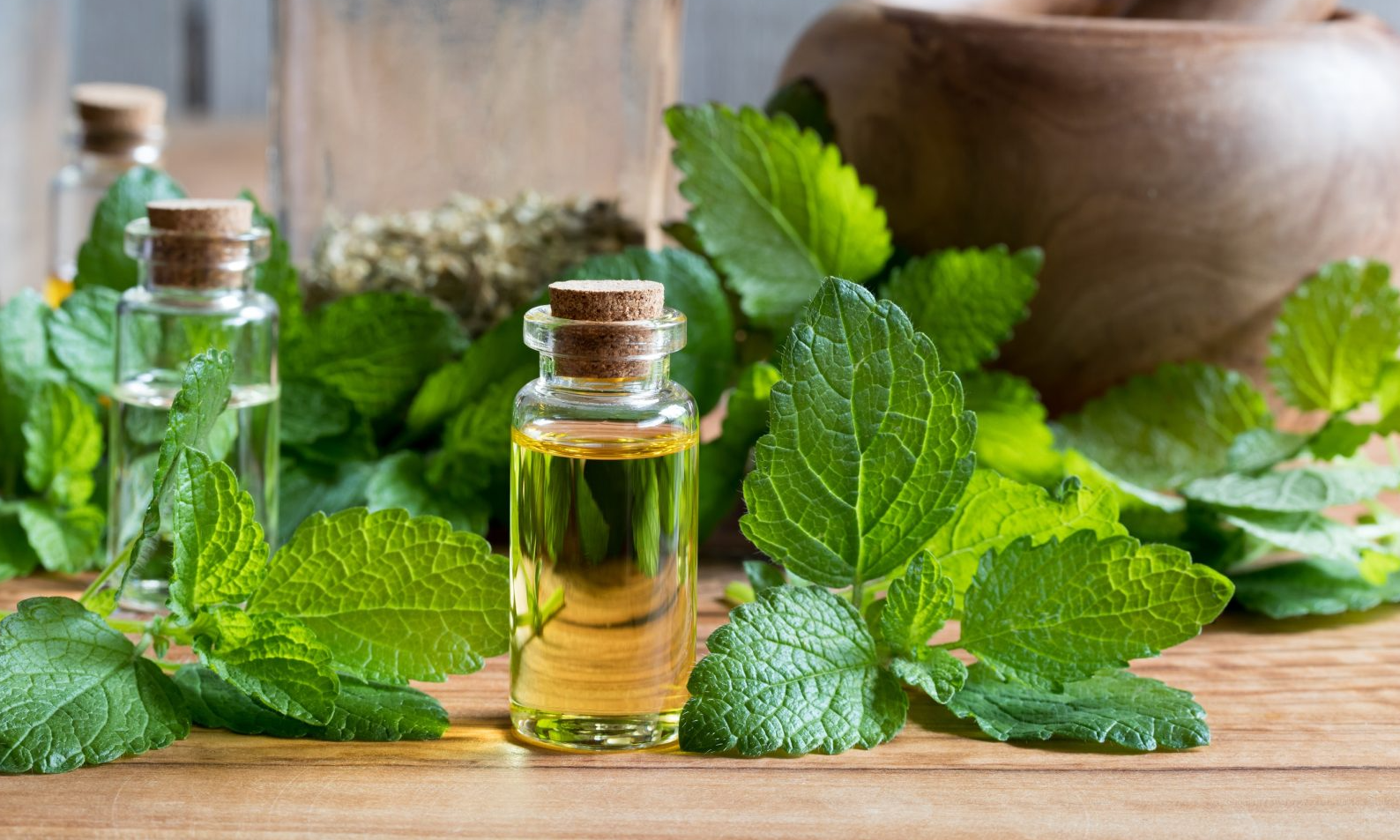
Making a cold herbal drink usually means brewing tea, waiting for it to cool, and removing the tea bag. But liquid herbal extracts offer another option. When comparing lemon balm vs chamomile tincture, the main differences are flavor, botanical ingredients, and how each extract works in chilled water.
Lemon balm has a fresh, citrus-herbal character. Chamomile offers softer floral notes with a recognizable apple-like aroma. Both are available as ready-to-use liquid extracts that can be added to water when the product directions permit it.
Secrets Of The Tribe focuses on botanical accuracy, flavor characteristics, and ingredient transparency when comparing liquid herbal preparations. The practical question is which extract fits your preferred cold drink, not which herb has a stronger traditional reputation.
This guide compares their sensory profiles, explains the differences between tinctures and brewed tea, and covers important considerations when choosing chamomile products.
Which Tincture Tastes Better in Cold Water?

Lemon balm generally suits people who prefer fresh citrus-herbal flavors, while chamomile is better suited to those who enjoy mild floral and apple-like notes. Neither is universally better. The choice depends on personal taste and the ingredients in the finished extract.
Lemon balm offers a brighter aromatic profile that pairs naturally with citrus and sparkling water. Chamomile has a rounder, more floral character associated with traditional herbal tea.
Lemon Balm vs Chamomile: Quick Comparison
| Characteristic | Lemon Balm Tincture | Chamomile Tincture |
|---|---|---|
| Botanical name | Melissa officinalis | Matricaria chamomilla (German chamomile) |
| Plant family | Lamiaceae (mint family) | Asteraceae (daisy family) |
| Commonly used plant part | Leaves | Flower heads |
| Typical aroma | Lemony, green, herbal | Floral, apple-like, mildly sweet-smelling |
| Typical flavor | Fresh citrus-herbal | Soft floral, grassy, apple-like |
| Possible aftertaste | Grassy, slightly astringent | Herbal, occasionally bitter |
| Cold water pairing | Lemon, lime, cucumber | Apple, peach, berries |
| Preparation method | Mix with water as directed | Mix with water as directed |
| Traditional tea ingredient | Fresh or dried leaves | Dried flower heads |
| Important consideration | Extract formulation and ingredients | Asteraceae allergy sensitivity |
These descriptions reflect typical botanical characteristics, not a controlled comparison of finished commercial tinctures. Extraction methods and added ingredients can change the flavor considerably.
What Are the Botanical Differences Between Lemon Balm and Chamomile?
Lemon balm and chamomile belong to different plant families and use different botanical materials in traditional preparations. Lemon balm is a leafy perennial herb, while German chamomile is an annual plant valued for its aromatic flower heads.
Lemon Balm: Melissa officinalis
Lemon balm belongs to the mint family, Lamiaceae. Its native range extends from the Mediterranean region into Central Asia.
The plant has soft green leaves that release a lemon-like fragrance when crushed. Naturally occurring aromatic compounds, including citral and citronellal, contribute to this recognizable scent.
Fresh and dried lemon balm leaves have long been used in herbal infusions, culinary preparations, and cool beverages.
Although its fragrance resembles lemon, the plant does not provide the sharp acidity of lemon juice. Its flavor is primarily herbal with citrus-like aromatic notes.
German Chamomile: Matricaria chamomilla
German chamomile belongs to the Asteraceae family, which includes daisies, sunflowers, and chrysanthemums.
Its small flower heads have white ray florets surrounding a yellow center. The flowers release a characteristic apple-like fragrance.
The botanical name Matricaria recutita is also widely used for German chamomile and is recognized as a synonym of Matricaria chamomilla.
Dried German chamomile flowers are a familiar ingredient in herbal tea. Their flavor is typically floral and gently herbal, sometimes with an earthy or mildly bitter finish.
German Chamomile vs Roman Chamomile
Not every product labeled chamomile contains the same species.
German chamomile is Matricaria chamomilla, while Roman chamomile is Chamaemelum nobile. Both belong to the Asteraceae family but have different botanical identities.
Roman chamomile can taste more bitter than German chamomile in traditional infusions. Always check the scientific name on the liquid extract before assuming its flavor profile.
How Do Lemon Balm and Chamomile Tinctures Taste When Chilled?
Cold water provides a relatively neutral base for comparing herbal flavors. Lemon balm generally brings brighter citrus-like aromas, while chamomile contributes softer floral notes. However, temperature and dilution affect how strongly these characteristics are perceived.
Lemon Balm in Cold Water
Lemon balm can add a fresh green aroma to chilled water. Its citrus character often works well without additional sweeteners.
Some liquid preparations have a grassy or slightly astringent aftertaste. The final flavor depends on the extraction liquid, botanical material, and concentration.
Do not expect lemon balm drops to taste exactly like lemonade. The plant provides citrus-like fragrance rather than the acidic flavor of lemon juice.
Chamomile in Cold Water
Chamomile has a softer botanical character associated with flowers and apples. In cold water, its flavor may seem less familiar than a freshly brewed cup of chamomile tea.
A concentrated extract can also taste more herbal or bitter than expected, especially if the liquid contains alcohol.
Adding suitable fruit flavors may make chamomile’s floral character easier to recognize.
How Temperature Changes the Experience
Warm liquids release aromatic compounds differently from chilled beverages. As a result, the same botanical preparation may smell stronger when warm.
Cold water does not remove herbal bitterness or change the recommended serving. It primarily changes the temperature and overall drinking experience.
Can You Make Cold Herbal Drinks Without Brewing Tea?
Yes. Liquid herbal extracts intended for oral use can be mixed directly into cold water when their labels allow it. This removes the need for tea bags, steeping, and waiting for a hot infusion to cool.
Plain Chilled Water
Fill a glass with cold water and add the serving specified on the extract’s label. Stir gently to distribute the liquid.
Plain water makes it easier to recognize the botanical flavor without competing ingredients. It is also the simplest way to compare two extracts separately.
Sparkling Water
Both herbs can complement sparkling water, although their flavor profiles suggest different pairings.
Lemon balm works naturally with citrus-flavored sparkling water. Chamomile may pair well with apple, peach, or lightly flavored berry drinks.
Add the extract to an open glass and mix gently to limit excessive foaming. Avoid shaking carbonated beverages in sealed containers.
Cold Fruit-Flavored Water
Fruit can complement botanical extracts without requiring homemade syrup.
Try lemon or cucumber slices with lemon balm. Apple slices or peach can offer a contrasting flavor alongside chamomile.
These are flavor combinations rather than supplement dosage recommendations. Follow the product’s directions regardless of the amount of water or fruit added.
How Are Liquid Extracts Different From Traditional Herbal Tea?
The main difference is preparation. Traditional herbal tea uses plant material steeped in water, while a liquid extract is prepared separately and supplied in a ready-to-use format.
Traditional Herbal Infusions
Lemon balm tea commonly uses fresh or dried leaves. Chamomile tea typically uses dried flower heads.
Hot water extracts water-soluble constituents while releasing aromatic compounds. The result depends on the plant material, water temperature, and steeping time.
To serve the infusion cold, it usually needs to cool before adding ice or refrigeration.
Ready-to-Use Liquid Extracts
A liquid extract removes the preparation step because the botanical material has already undergone extraction.
Manufacturers may use ethanol, water, vegetable glycerin, or combinations of suitable extraction liquids.
The finished extract is not automatically equivalent to freshly brewed herbal tea. Different extraction systems can produce different chemical compositions and sensory characteristics.
Convenience and Flavor Differences
Tea allows greater flexibility in selecting the amount of plant material and steeping conditions.
Liquid extracts offer measured servings and convenient preparation without loose leaves, strainers, or tea bags.
However, a stronger-tasting extract is not necessarily higher quality, and a mild flavor does not establish a particular botanical concentration.
Are Lemon Balm and Chamomile Tinctures Alcohol-Free?
Both herbs are available in alcohol-free liquid preparations, but the word “tincture” does not guarantee the absence of ethanol.
Traditional tinctures generally contain alcohol and water. Alcohol-free alternatives may use vegetable glycerin, water, or other suitable extraction systems.
Vegetable glycerin has a naturally sweet taste and thicker texture. This can influence how an extract tastes when mixed into cold water.
The lemon balm and chamomile tinctures listed by Secrets Shop are presented as alcohol-free liquid supplements with directions for use alongside water. Check the current product labels for complete ingredients and instructions.
If avoiding alcohol is important, verify the actual formulation rather than assuming dilution makes an ethanol-based extract alcohol-free.
Which Tincture Should You Choose for Cold Herbal Drinks?
Choose lemon balm for citrus-herbal freshness or chamomile for a gentler floral and apple-like profile. Both can fit a simple cold beverage routine when their labels permit use with water.
For people who already enjoy lemon water, lemon balm liquid drops for cold citrus water offer a convenient format that does not require preparing an herbal infusion.
Chamomile may be more appealing to people who enjoy floral teas but want a cold preparation without using tea bags.
Secrets Of The Tribe considers accurate botanical labeling particularly important for chamomile because German and Roman chamomile are different species with potentially different flavor characteristics.
The better option is the one that matches your taste preferences, ingredient requirements, and individual suitability.
What Should People With Asteraceae Allergies Know About Chamomile?
Chamomile can cause allergic reactions in people sensitive to plants in the Asteraceae family. This is an important consideration even when the product is marketed as a natural herbal supplement.
People with allergies to ragweed, chrysanthemums, marigolds, or daisies may be more likely to react to chamomile.
Reported reactions range from mild symptoms to severe allergic responses. A liquid extract should not be assumed safer than tea simply because it contains no visible flowers.
If you have previously reacted to chamomile, avoid using it. If you have an allergy to related Asteraceae plants, consult an allergy specialist or qualified healthcare professional before considering chamomile products.
Chamomile may also interact with certain medications, including warfarin. Anyone taking medication, pregnant, or nursing should seek professional guidance before using herbal supplements.
Lemon balm belongs to a different plant family, but that distinction alone does not guarantee individual tolerance.
Checklist: Choosing a Liquid Extract for Cold Herbal Drinks
A good cold herbal drink starts with a suitable extract and a flavor you enjoy. Use this checklist to compare botanical identity, ingredients, and preparation requirements before adding herbal drops to your routine.
1. Confirm the Botanical Name
Check the scientific species name on the label. Common names can refer to different plants.
2. Identify the Plant Part
Look for leaves, flowers, or other botanical material. Different plant parts can produce different flavors.
3. Choose Your Preferred Taste
Decide whether you prefer citrus-herbal freshness or softer floral notes. Consider your favorite cold beverages.
4. Check the Extraction Base
Review whether the product contains alcohol, glycerin, water, or other ingredients.
5. Confirm Water Compatibility
Choose an oral extract with instructions that permit mixing with water. Follow the labeled serving.
6. Review Allergy Information
Check for sensitivities to the relevant plant family. Seek professional guidance if you have a known plant allergy.
7. Keep Preparation Simple
Use a clean glass and cold water. Mix gently and store the extract according to the manufacturer’s directions.
FAQ
1. What is the main difference between lemon balm and chamomile tincture?
Lemon balm usually has a citrus-herbal flavor, while German chamomile has softer floral and apple-like notes. They also belong to different plant families.
2. Can lemon balm tincture be added to cold water?
Yes, when the product instructions allow mixing with water. Follow the recommended serving.
3. Can chamomile tincture replace chamomile tea?
It offers a convenient alternative preparation, but the two are not necessarily equivalent in flavor or botanical composition.
4. Does chamomile tincture taste like apples?
German chamomile has a characteristic apple-like aroma. Finished extracts may also taste floral, grassy, or mildly bitter.
5. Do liquid herbal extracts require steeping?
No. Ready-to-use liquid extracts do not require steeping because the botanical extraction has already been completed.
6. Are all chamomile tinctures alcohol-free?
No. Some use ethanol, while others use alcohol-free extraction systems. Always check the ingredient list.
7. Can people with ragweed allergies use chamomile tincture?
Chamomile may cause allergic reactions in people sensitive to ragweed or related Asteraceae plants. Consult an allergy specialist before considering use.
8. Is German chamomile the same as Roman chamomile?
No. German chamomile is Matricaria chamomilla, while Roman chamomile is Chamaemelum nobile.
Glossary
Lemon Balm (Melissa officinalis)
A citrus-scented perennial herb belonging to the mint family.
German Chamomile (Matricaria chamomilla)
An annual flowering plant in the daisy family, known for its apple-like floral aroma.
Roman Chamomile (Chamaemelum nobile)
A perennial chamomile species distinct from German chamomile.
Asteraceae
The botanical family containing chamomile, daisies, ragweed, chrysanthemums, and sunflowers.
Tincture
A liquid botanical preparation traditionally made using ethanol and water.
Glycerite
A botanical liquid extract made with glycerin, often combined with water.
Herbal Infusion
A beverage prepared by steeping plant material in water.
Organoleptic Profile
The sensory characteristics of a product, including flavor, aroma, appearance, and mouthfeel.
Conclusion
Lemon balm is generally the more natural fit for fresh citrus-herbal cold drinks, while chamomile offers a softer floral and apple-like alternative without the need to brew tea. Choose an extract based on its botanical identity, flavor, label directions, and allergy considerations rather than assuming all herbal liquid preparations are interchangeable.
Sources Used
- Botanical identity, classification, and distribution of Melissa officinalis – powo.science.kew.org / Melissa officinalis L.
- Botanical identity, synonyms, and plant family of German chamomile – powo.science.kew.org / Matricaria chamomilla L.
- Lemon balm aroma, culinary flavor, and use in cool drinks – hort.extension.wisc.edu / Lemon-scented Plants
- German chamomile flowers, apple-like fragrance, tea preparation, and Roman chamomile differences – hort.extension.wisc.edu / German Chamomile, Matricaria chamomilla
- German chamomile botanical characteristics and Asteraceae classification – plants.ces.ncsu.edu / Matricaria chamomilla
- Chamomile allergy considerations, medication interactions, and general safety – nccih.nih.gov / Chamomile: Usefulness and Safety
- Consumer guidance on dietary supplement ingredients, labeling, and safe use – fda.gov / FDA 101: Dietary Supplements
- Lemon balm alcohol-free liquid extract and suggested use with water – secrets.shop / products/lemon-balm-tincture
- Chamomile alcohol-free liquid extract and suggested use with water – secrets.shop / products/chamomile-tincture
