

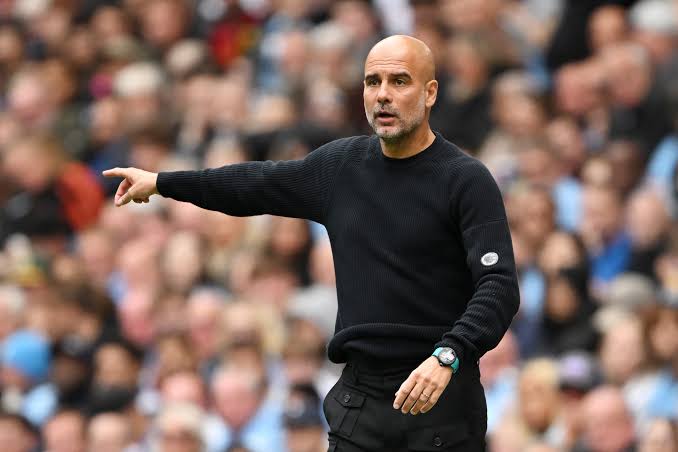
Few managers in modern football have reshaped how the sport gets played quite as thoroughly as this Catalan tactician, whose possession-based philosophy transformed multiple clubs across three different countries into genuine European powerhouses. His influence extends well beyond simple trophy accumulation, having fundamentally altered how coaches at every level approach positional play and tactical structure. Fans wanting to follow current match coverage can check the latest updates at Dbbet, where football action stays current throughout the season.
Understanding Pep Guardiola’s Playing and Coaching Origins
Pep guardiola began his football journey as a player at Barcelona, developing under the club’s youth academy before establishing himself as a key midfielder within the club’s senior team during the 1990s and early 2000s.
His playing career provided the tactical foundation that would later define his coaching philosophy, having played under legendary manager Johan Cruyff, whose possession-focused approach heavily influenced Guardiola’s own subsequent coaching methodology and positional philosophy.
Following his retirement from playing, Guardiola transitioned into coaching relatively quickly, taking charge of Barcelona’s reserve team before earning his first senior managerial opportunity with the club’s first team in 2008.
Pep Guardiola Teams Coached: A Complete Career Timeline
Tracing pep guardiola teams coached reveals a career spanning three of European football’s most prestigious clubs across three different countries, beginning with his native Barcelona before expanding into German and English football.
His Barcelona tenure ran from 2008 through 2012, followed by a three-season stint at German giants Bayern Munich between 2013 and 2016, before ultimately taking charge of Manchester City in 2016, where he remains as the club’s longest-serving manager.
This progression across different footballing cultures and tactical traditions demonstrated his adaptability, successfully implementing his core possession-based philosophy while adjusting specific tactical details to suit each league’s distinct competitive characteristics and player pools.
The Barcelona Years: Building a Footballing Dynasty
Guardiola’s Barcelona tenure produced arguably the most statistically dominant period in the club’s history, capturing multiple La Liga titles and Champions League trophies while establishing a possession-based tactical identity that influenced football globally.
This period also coincided with Lionel Messi’s emergence as a generational talent, with Guardiola’s tactical system specifically designed to maximize Messi’s unique combination of dribbling ability and creative vision within a fluid, interchangeable attacking structure.
His Barcelona teams set numerous records for consecutive league victories, reflecting a level of sustained dominance that established Guardiola’s reputation as one of football’s most tactically sophisticated managers before he had even left his first senior coaching position.
Bayern Munich: Testing His Philosophy in German Football
Moving to Bayern Munich in 2013 represented a significant test of Guardiola’s tactical adaptability, taking charge of an already dominant club and successfully integrating his possession-based philosophy into German football’s different competitive environment.
His three seasons in Bavaria produced consistent domestic championship success, capturing multiple Bundesliga titles while continuing to refine tactical concepts that would later prove even more influential during his subsequent Premier League tenure.
This German experience proved valuable preparation for his eventual Manchester City role too, since successfully adapting his methodology across different football cultures demonstrated genuine tactical flexibility beyond simply replicating identical systems regardless of specific team personnel or league characteristics.
Manchester City: Building the Premier League’s Most Dominant Modern Dynasty
Guardiola’s Manchester City tenure, beginning in 2016, has produced sustained Premier League dominance, capturing numerous league titles alongside the club’s first-ever Champions League triumph, cementing City among European football’s most successful modern organizations.
His extended stay at City represents genuine organizational trust and mutual success, with the club investing heavily in squad construction specifically tailored toward executing his tactical vision while Guardiola has continued evolving his approach throughout his lengthy tenure.
This sustained period established him as the Premier League’s longest-serving current manager, reflecting a stability increasingly uncommon within modern football’s typically high-turnover managerial landscape across major European competitions.
Understanding Pep Guardiola’s Salary and Compensation
Examining pep guardiola salary details reveals he remains the Premier League’s highest-compensated manager, earning approximately twenty million pounds annually through his current Manchester City contract, a figure that can increase further through performance-related bonuses.
This compensation level significantly exceeds every other Premier League manager, with reports suggesting he earns roughly double the amount received by the league’s next highest-paid coaching counterparts across other prominent English clubs.
His current contract, extended through 2027, reflects Manchester City’s continued institutional confidence in his managerial leadership, alongside recognition of his substantial contribution toward establishing the club’s sustained recent competitive dominance domestically and in Europe.
How His Compensation Evolved Across Different Clubs
Guardiola’s salary progression across his coaching career reflects both his increasing managerial reputation and each subsequent club’s financial capacity, with reported Barcelona compensation considerably lower than his eventual Bayern Munich and Manchester City earnings.
His Bayern Munich salary reportedly approached seventeen million euros annually plus performance bonuses, representing meaningful financial growth compared to his earlier Barcelona compensation, before his eventual move to Manchester City produced even more substantial earning potential.
This financial trajectory mirrors broader trends within elite football management, where increasingly lucrative television and commercial revenue has dramatically elevated top managerial compensation, particularly for coaches with Guardiola’s demonstrated sustained championship-level success.
Tactical Philosophy and Innovation
Guardiola’s coaching approach centers around fluid positional play, emphasizing technical ball retention and intelligent positional rotation rather than more direct, physically confrontational tactical approaches common among many managerial contemporaries.
His willingness to experiment with unconventional tactical concepts, including deploying inverted fullbacks and occasionally repositioning defenders into midfield roles, has influenced coaching philosophy considerably beyond his own individual teams throughout modern football.
This continued tactical innovation, even after achieving sustained championship success, reflects genuine intellectual restlessness that has kept his teams competitively relevant despite opponents having years to study and theoretically counter his established tactical principles.
Trophy Collection and Individual Recognition
Across his complete managerial career, Guardiola has accumulated over forty major trophies, an extraordinary collection reflecting sustained championship success across three different countries and footballing cultures throughout his coaching career.
This trophy total includes multiple Champions League titles, numerous domestic league championships, and various additional cup competitions, collectively establishing one of the most statistically dominant managerial records in modern football history.
Beyond team success, Guardiola has also received considerable individual recognition throughout his career, widely regarded among football analysts and fellow coaches as one of the sport’s greatest and most tactically influential managers of the modern era.
Managing Through Challenging Periods
Despite his sustained overall success, Guardiola has faced genuinely difficult stretches too, including periods where his Manchester City side struggled with form and consistency, testing both his tactical adaptability and the broader organization’s patience.
These challenging periods have generated periodic speculation regarding his managerial future, though his continued contract extensions suggest sustained mutual confidence between Guardiola and Manchester City’s ownership despite occasional difficult competitive stretches.
Navigating these challenging periods while maintaining his fundamental tactical philosophy demonstrates genuine managerial resilience, since adjusting specific tactical details without abandoning core positional principles requires considerable coaching sophistication and squad management skill.
Influence on Modern Football Coaching
Guardiola’s tactical innovations have influenced an entire generation of coaches, with numerous managers throughout European football directly crediting his positional play concepts as foundational to their own coaching philosophy and tactical development.
This influence extends beyond simply replicating his specific formations too, since his broader emphasis on technical ball retention and intelligent spatial occupation has reshaped how many coaches conceptualize offensive football regardless of their specific tactical system.
Coaching academies and football analysts continue studying his tactical approach extensively, cementing an educational legacy that extends well beyond his own considerable trophy collection into broader football coaching philosophy and tactical theory more generally.
What Comes Next for Football’s Most Influential Modern Manager
As Guardiola continues his extended Manchester City tenure, questions naturally arise regarding how much longer he’ll remain in club management before potentially pursuing different opportunities, including previously rumored interest in international management roles.
His current contract situation suggests continued commitment to Manchester City through at least the near-term future, though his own public comments have occasionally hinted at eventually exploring different career directions once his current commitment concludes.
Whatever specific path his career ultimately takes, Guardiola’s combination of sustained championship success, genuine tactical innovation, and substantial influence on modern coaching philosophy already secures his legacy among football’s most accomplished and transformative managers ever.
