

Sport carries culture within it. Every discipline that survives generations does so because it reflects something essential about the people who play it — their values, their physical environment, their collective identity. When traditional sports meet the formal structure of continental competition, something genuinely interesting happens at the intersection of heritage and ambition.
dbbet bd has been tracking this intersection closely across South Asian sporting markets. The relationship between traditional sports, systematic sports development, and Asian Games performance represents one of the most fascinating dynamics in contemporary sporting culture. Nations that invest in disciplines rooted in genuine cultural identity often discover competitive advantages that purely imported sporting programs struggle to replicate at equivalent investment levels.
Why Traditional Sports Survive
The persistence of traditional sports across modernizing societies isn’t sentiment alone. These disciplines survive because they fulfill genuine human needs — community gathering, physical expression, competitive instinct — through forms that feel authentically connected to shared cultural experience.
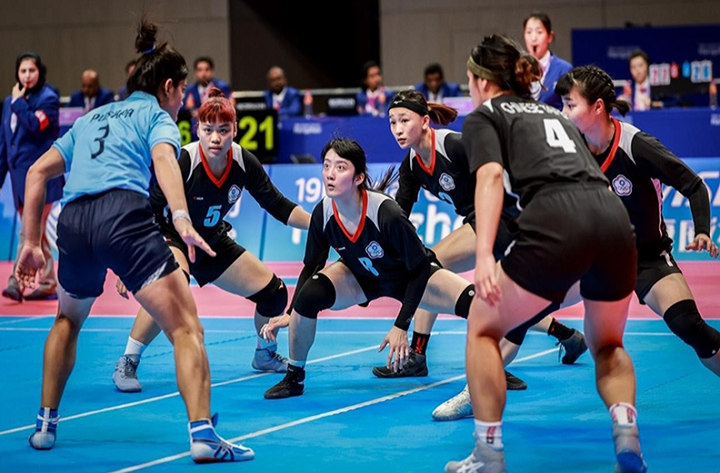
Kabaddi survives in Bangladesh and across South Asia because it requires nothing except bodies, space, and competitive spirit. Wrestling traditions persist across Central Asian nations because the physical and tactical demands connect directly to values those cultures actively celebrate. Dragon boat racing endures across East and Southeast Asia because water, community coordination, and seasonal celebration have always belonged together naturally.
Understanding why traditional sports persist helps explain why they frequently translate into unexpected competitive strength at continental level.
The Asian Games as Cultural Showcase
The Asian Games program has evolved significantly since the first edition in New Delhi in 1951. Organizers have increasingly recognized that continental sporting celebration gains authenticity and distinctiveness by incorporating disciplines rooted in Asian cultural traditions rather than simply replicating Olympic program formats entirely.
Kabaddi’s inclusion transformed Asian Games competition for South Asian nations. Sepak takraw provided Southeast Asian nations with disciplines where cultural familiarity created genuine competitive depth. Wushu gave Chinese martial heritage continental sporting legitimacy. Dragon boat racing connected coastal Asian communities to competition through forms that feel genuinely theirs.
This programming philosophy creates competitive opportunities that pure sports development investment in globally standardized Olympic disciplines cannot manufacture at equivalent cost or speed. Cultural familiarity is a competitive resource that money alone cannot buy.
Bangladesh’s Kabaddi Identity
No traditional sport better illustrates this dynamic than Bangladesh’s relationship with kabaddi. The discipline is woven into Bangladeshi cultural fabric at every level — village competitions, school tournaments, district championships — creating a talent pipeline fed by genuine grassroots passion rather than manufactured institutional programs.
When Bangladesh’s kabaddi teams compete at the Asian Games, they draw from competitive depth that reflects thousands of informal competitions played annually across rural districts where the sport remains central to community life. That depth cannot be replicated quickly by nations attempting to build kabaddi programs from scratch purely for continental competition purposes.
The competitive results reflect this cultural foundation. Bangladesh consistently challenges Asia’s kabaddi powers despite resource disadvantages that would cripple programs in disciplines where technical infrastructure costs dominate development expenses.
Sports Development Systems and Traditional Disciplines
The most sophisticated sports development approaches recognize that traditional disciplines and modern athletic science aren’t competing philosophies — they’re complementary resources that strengthen each other when combined intelligently.
Bangladesh’s kabaddi program has benefited enormously from applying contemporary sports science to culturally embedded athletic traditions. Systematic strength and conditioning programs built around kabaddi-specific movement patterns. Video analysis of raiding and defensive techniques. Recovery science integrated into training loads that previously relied entirely on intuition and tradition.
This synthesis — traditional cultural knowledge meeting modern athletic methodology — produces competitive programs that combine authentic depth with contemporary preparation standards. The result is often more formidable than either element could achieve independently.
The Inclusion Question: What Makes the Program
Asian Games sports development conversations inevitably involve questions about which traditional disciplines deserve continental program inclusion. The decisions made by Olympic Council of Asia administrators carry enormous implications for national programs built around specific cultural sports.
Inclusion creates immediate competitive incentive — motivating government funding, institutional support, and serious athletic development investment that informal cultural competitions rarely generate alone. Exclusion can effectively strand genuinely excellent athletes in disciplines that never receive the recognition their competitive quality deserves.
Bangladesh’s sports administrators have learned to navigate this reality — prioritizing development investment in traditional disciplines with stable Asian Games program positions while monitoring inclusion conversations around emerging traditional sports with genuine Bangladeshi competitive potential.
Infrastructure Investment Following Cultural Strength ️
A revealing pattern emerges across Asian sporting nations that have successfully converted traditional sports strength into Asian Games medal performance. Infrastructure investment consistently follows demonstrated cultural competitive strength rather than preceding it.
Nations build proper kabaddi facilities, wrestling halls, and archery centers after recognizing that genuine competitive depth already exists within traditional practice communities. The infrastructure formalizes and amplifies existing strength rather than manufacturing it from nothing.
Bangladesh’s sports development trajectory reflects this pattern. Investment in kabaddi training centers, coaching certification programs, and competitive structures built upon a foundation of genuine cultural engagement with the sport across millions of participants at grassroots level.
Regional Rivalries and Development Pressure
Traditional sports competition at the Asian Games generates regional rivalries that carry cultural weight extending well beyond sport. Bangladesh versus India in kabaddi isn’t simply an athletic contest — it’s a cultural conversation between neighboring nations with shared heritage expressed through competitive physical discipline.
These rivalries create development pressure that purely technical sports programs rarely generate at equivalent intensity. Coaches, administrators, and athletes all feel the additional motivational weight of culturally significant competition — a psychological fuel that systematic training programs can harness but never fully manufacture independently.
The competitive results of traditional sports rivalries also carry disproportionate cultural resonance domestically. A kabaddi victory over a major Asian sporting power generates national celebration that reflects how deeply these disciplines connect to collective identity beyond athletic achievement alone.
Young Athletes Choosing Traditional Paths
One of the most encouraging developments in Bangladesh’s sports development landscape involves young athletes actively choosing traditional disciplines as serious competitive pathways rather than defaulting automatically toward cricket or football.
Kabaddi academies in Dhaka and Chittagong are attracting genuinely talented young athletes who recognize that traditional sports offer realistic pathways to national team selection, Asian Games competition, and the personal recognition that accompanies representing Bangladesh at continental level.
This voluntary talent flow into traditional disciplines strengthens competitive depth while simultaneously preserving cultural heritage — a genuinely rare outcome where sporting ambition and cultural preservation reinforce each other naturally rather than competing for the same resources and attention.
The Measurement Challenge
Quantifying traditional sports’ contribution to national sports development presents genuine methodological challenges. Participation statistics in informal traditional competitions are difficult to capture systematically. Economic value generated through cultural sporting events resists standard sports economics measurement frameworks.
Yet the competitive outcomes at Asian Games level provide the most honest available measurement. Nations with deep traditional sports cultures consistently outperform pure resource predictions in disciplines rooted in genuine cultural practice. Bangladesh’s kabaddi results against better-resourced opponents demonstrate this dynamic repeatedly across consecutive Games cycles.
Building Forward
The relationship between traditional sports and Asian Games performance will continue evolving as sports development sophistication increases across the continent. Nations that invest in understanding and amplifying their traditional competitive advantages — rather than simply importing globally standardized sporting programs — will likely find the most sustainable pathways to continental competitiveness.
Bangladesh stands at an interesting position within this landscape. The cultural sporting foundations are genuine and deep. The sports development systems are improving steadily. The Asian Games competitive ambitions are realistic and growing. What comes next depends on maintaining the connection between authentic cultural sporting heritage and the contemporary development sophistication that converts traditional strength into continental medals.
That connection, carefully maintained, represents Bangladesh’s most distinctive and durable competitive advantage on Asia’s grandest sporting stage.
