

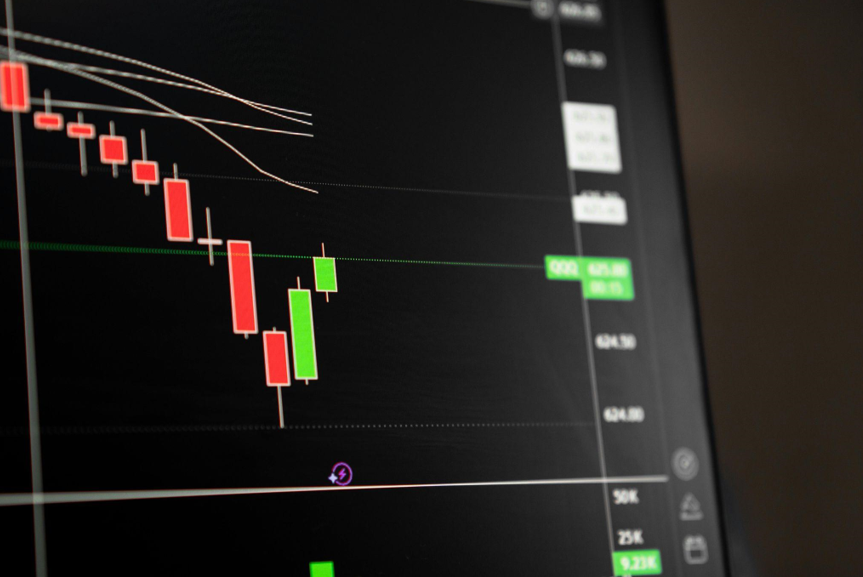
Global markets have traded traditional broadcasting models in entertainment and financial services for digital platforms, and recent research suggests this transition will continue for the foreseeable future. By the end of 2025, for example, streaming services accounted for almost 50% of all television consumption, and in the same period, financial services’ global market engagement tools provided real-time financial trading services. This article analyzes how innovations in the delivery of both media technology and market technology have shaped audience behavior and platform design to maximize user engagement in 2026.
Both media technology and market technology have transformed what the audience opts to watch and how people interact with the financial system. Streaming services have overtaken cable and broadcast television in audience consumption, and advanced digital tools have already democratized professional use and migrated to the Individual Trader and Investor level.
Both sectors have recently experienced rapid development in terms of accessibility, real-time engagement and user autonomy. Analyzing attention engagement in media entertainment and financial services through various screens reveals modern user behavior patterns in the two industries.
Streaming Platforms and the Rise of Interactive Entertainment
With each passing year, digital delivery services capture more of the viewer’s focus and attention. Streaming services surpassed the combined usage of broadcast and cable services in the United States for the first time in history. As detailed in the release from May 2025, Nielsen stated that streaming services gained 44.8% of total television usage in the United States. People are starting to lean more towards viewing content as it is made available, rather than viewing the content based on the predetermined schedule provided.
More and more high-value content and live sporting events are available on digital services. An average of 27.5 million U.S. viewers streamed an NFL game online on Christmas Day 2025, meaning that some live events are nearing traditional broadcasting audience numbers on major sporting content (AP News, 2025).
In 2025, there were an estimated 1.8 billion video streaming subscriptions worldwide, an increase from about 1.1 billion in 2020 (SQ Magazine, 2025). Developers are making more and more adjustments to features like live chats, second-screen features, and content recommendations based on your viewing history, making passive viewing less and less of a possibility.
Trading Platforms Adapting to Modern Technology
Traditionally, financial trading has been time-sensitive and dependent on issues like geographical location. As globalization has truly set in, financial market trading platforms have become more focused on the use of digital technologies. mt5 is the 5th version of a digital multi-asset trading platform and is an example of how technologically modern trading platforms have become. MT5 has simplified trading and made it possible for users to trade in a number of market segments, including Forex, stocks, commodities, and indices.
MetaTrader 5 offers innovative charting, order types, and technical analysis that were once only available to big league traders. Users can analyze, trade, and automate tools to control financials almost anywhere from their desktop, web, and mobile, and they can similar to other streamed services.
The ability to trade on your phone has bypassed the distance of more serious observation. Prior, investors were tied to stationary trading systems, but now, they can trade from their phones and have direct links to the live trading systems. Responsiveness is key and has become the norm in consumer finance and transcends other fields.
Gaming Innovations Shaping Viewer Experiences
The emergence of gaming verticals on digital video platforms has completely transformed audience engagement. Gaming-focused streaming platforms have become billion-hourse of content platforms every year. In 2025, peak stream viewership was recorded in the millions on multiple channels for major gaming and tech exhibitions, signaling the demand for game releases and game-related commentary (Statista, 2025).
Real-time gameplay channels hosted tens of thousands of active channels and solidified billions of hours of viewership in a year. Mobile-focused and short stream formats expanded the viewership for gaming videos and created a more participatory ecosystem.
Emerging technologies have made streaming more engaging by decreasing latency and improving overlays. Viewers can decide what videos to watch based on their preferences. These technologies match the streaming entertainment industry, where user control has become a priority.
How Mobile Apps Are Transforming Movies and Markets
Apps on your phone have changed both how you finance and view entertainment. Digital video streaming reaches around 96% of homes in the US, and many of these people are accessing the content from their mobile devices or other connected televisions (SQ Magazine, 2025). The data shows that streaming services are meeting the needs of their audiences and are actively adapting to more mobile users.
Mobile trading technologies provide advanced real-time analytics, something previously available only on desktop systems. Functionality across all devices, including desktops, allows traders to respond to market opportunities through messenger services, alerts, and desktop streaming analysis services. The entertainment and financial trading industries are trending toward seamlessly combining a user’s intention and achieving that intention.
