

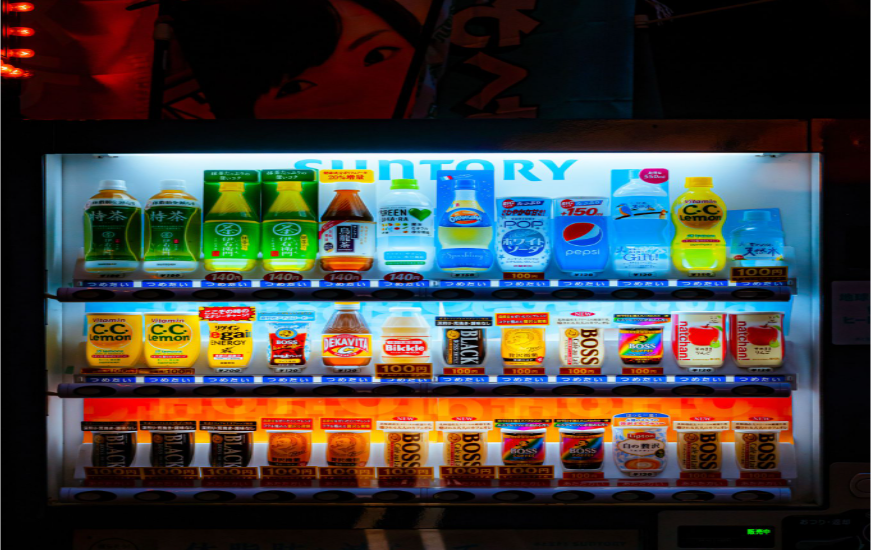
Scroll through any app store chart, a supermarket energy-drink shelf, or a sneaker drop page and the vocabulary starts to blur into the same handful of words: Turbo, Max, Blitz, Reactor, Ultra. A decade ago a running shoe might have been called the Pegasus or the Wave; today it’s more likely to carry a name that sounds like it was lifted from a jet engine manual. The shift isn’t accidental, and it isn’t limited to one industry – it’s a naming pattern that has spread across categories that otherwise share almost nothing.
That compression shows up clearly in live entertainment catalogs, where a title has to do the job of a whole genre description in three or four words. A search through Evolution’s live-dealer roulette lineup turns up the xxxtreme lightning roulette casino table, a name built almost entirely from words chosen to convey speed and multiplier bursts before a player has even opened the stream. It works the same way a sneaker name works: the noun tells you the pace of the thing before you’ve seen it in motion.
The driver behind all of it is attention, measured in fractions of a second rather than minutes. A shopper on a delivery app or a streaming home screen sees dozens of tiles before making a single choice, and a name has to signal mood, intensity, or genre before the eye even settles on the image next to it. A branding study published by Nielsen in 2023 found that shoppers spend under two seconds reading a shelf label before moving on, which leaves almost no room for a name that needs explaining. A can labelled Reactor doesn’t need a tagline explaining that it’s caffeinated.
The Grammar of a Louder Name
Linguists who study branding point to a recurring pattern: a base word borrowed from motorsport or athletics, then stripped of any context that would slow it down. “Sprint,” “Blitz,” and “Nitro” all arrived in consumer naming this way, carrying with them a sense of motion the product itself may or may not deliver. The word does the persuading so the copywriter doesn’t have to.
Borrowed Intensity from Sport and Motorsport
A phone case called Blitz or a blender called Turbo is renting credibility from a completely different field – one where the word actually means something measurable, like a 0-to-60 time or a sprint split. Consumers rarely question the borrowing; the association forms faster than the scrutiny does, which is exactly the point of a name built for a three-second glance rather than a considered read.
The Suffix Inflation
Once “Pro” stopped meaning “used by professionals,” it became a pricing tier instead, and the market needed a new ceiling. That’s how “Max,” then “Ultra,” then compound forms like “Ultra Max” entered circulation within a few product cycles of each other. Each suffix works until enough competitors adopt it, at which point the next one has to sound even less like restraint.
| Category | Typical naming modifier | What it signals to the buyer |
|---|---|---|
| Energy drinks | Reactor, Nitro, Volt | Immediate physical effect |
| Sneakers and sportswear | Turbo, Sprint, Pulse | Speed, lightweight build |
| Software and apps | Pro, Max, Ultra | Higher tier, more capacity |
| Live-dealer casino games | Lightning, Xxxtreme, Blitz | Faster rounds, bigger multipliers |
| Fitness equipment | Ignite, Surge, Apex | Intensity of the workout |
The pattern holds across all five rows for the same reason: each category competes inside a feed or a shelf where the name is the only pitch a buyer gets before scrolling past. None of these markets coordinate with each other, yet they converge on nearly identical vocabulary because they’re solving the same three-second problem.
Where the Trend Runs Into Its Own Limits
Inflation works until the currency stops meaning anything. When every third item on a shelf is labelled Max or Ultra, the words lose the very intensity they were borrowed for, and buyers start tuning them out the way they tune out “New and Improved” on a cereal box. Naming consultants have started warning clients that a loud name now reads as generic rather than exciting, simply because so many competitors reached for the same drawer of words.
The correction shows up in categories that got there first. Some sneaker brands have quietly gone back to numbers and initials – a return to restraint that reads, paradoxically, as more premium than another adjective could. Sound design, packaging texture, and a distinctive color are picking up work that a shouting name used to do alone, because a name can only carry so much signal before it starts to sound like everyone else’s.
A few patterns are worth keeping in mind when you next notice a name shouting for your attention:
- The louder the modifier, the more crowded that category’s shelf usually is.
- Borrowed sport vocabulary rarely reflects a measurable performance claim.
- Suffix inflation (“Pro” to “Max” to “Ultra”) tends to repeat every two or three product cycles.
- Restraint in naming is becoming its own differentiator in saturated markets.
